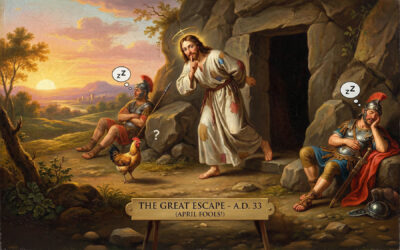
At that time Jesus went through the grainfields on the Sabbath. His disciples were hungry, and they began to pluck ears of corn and to eat. But when the Pharisees saw it, they said to him, “Look, your disciples are doing what is not lawful to do on the Sabbath.” He said to them, “Have you not read what David did when he was hungry, and those who were with him: how he entered the house of God and ate the bread of the Presence, which it was not lawful for him to eat nor for those who were with him, but only for the priests? Or have you not read in the Law how on the Sabbath the priests in the temple profane the Sabbath and are guiltless? I tell you, something greater than the temple is here. And if you had known what this means, ‘I desire mercy, and not sacrifice’, you would not have condemned the guiltless. For the Son of Man is lord of the Sabbath.”
He went on from there and entered their synagogue. And a man was there with a withered hand. And they asked him, “Is it lawful to heal on the Sabbath?”—so that they might accuse him. He said to them, “Which one of you who has a sheep, if it falls into a pit on the Sabbath, will not take hold of it and lift it out? Of how much more value is a man than a sheep! So it is lawful to do good on the Sabbath.” Then he said to the man, “Stretch out your hand.” And the man stretched it out, and it was restored, healthy like the other. But the Pharisees went out and conspired against him, how to destroy him.
Jesus, aware of this, withdrew from there. And many followed him, and he healed them all
There’s something deeply ironic about religious people becoming so obsessed with following the rules that they miss the entire purpose of those rules in the first place. It’s like spending your whole life studying a road map but never actually taking the journey. This tension between legalism and grace sits at the heart of both Paul’s letter to the Galatians and Jesus’ confrontation with the Pharisees in Matthew 12, and together they reveal a pattern that’s as relevant today as it was two thousand years ago.
When Paul wrote to the churches in Galatia, he was upset. After he left, a group called the Judaizers arrived with a message that sounded reasonable on the surface: “Sure, faith in Jesus matters, but you also need to follow Jewish law and traditions, starting with circumcision.” For Paul, this wasn’t a minor theological tweak, it was a fundamental distortion of the gospel itself. His message cut straight through the confusion: we’re made right with God by trusting in Christ alone. Adding requirements doesn’t enhance the gospel; it empties it.
To prove his point, Paul reached back to Abraham, long before the law even existed. God promised Abraham he’d be blessed and that through his family, the whole world would be blessed too. Abraham’s only job? Trust God. No rituals, no rulebook. Just sincere, open, receptive dependency on God. This promise was the foundation of God’s plan: a worldwide family united by faith, not by ethnicity or religious performance.
So what about the law God gave Moses at Mount Sinai, 430 years later? Paul explained it was never meant to replace the promise. Think of it more like a spiritual babysitter, a temporary guide serving two crucial functions. First, it exposed sin with uncomfortable clarity, wounding our pride by revealing we’re more self-centred and flawed than we’d like to admit. Second, it offered a vision of what living righteously actually looks like, giving us a glimpse into God’s own character. The law was good, but it only pointed out the problem without providing a solution. As Paul declared, “By works of the law no one will be justified.” Laws expose what we’re doing wrong (or failing to do right), but they don’t give us the power to obey.
This is where Jesus enters as the promised descendant of Abraham. He lived the life that Israel, and the rest of us, couldn’t live. He loved God and neighbour perfectly, fulfilling the law’s requirements that we could never keep. Through his death and resurrection, Jesus took on the consequences of our moral failures and opened the way for everyone, Jew and Gentile alike, to be included in God’s family by faith. Paul’s point is elegant in its simplicity: what’s true of Jesus becomes true of anyone who trusts in him. We’re not just forgiven; we’re adopted into God’s family. This salvation is entirely a gift, not something earnt through human effort.
So, if the law was just a temporary guardian supervising God’s people until Christ came, what guides us now? Paul’s answer is the Holy Spirit. Once justified, God’s Spirit quietly and persistently empowers believers to love God and others, which is the very thing the law pointed to but couldn’t produce. Paul famously listed the fruit of the Spirit: love, joy, peace, patience, kindness, goodness, faithfulness, gentleness, and self-control. When these qualities appear, there’s no need for a rulebook. Yet we still face a conflict between what Paul calls the “desires of the flesh”—sexual immorality, jealousy, fits of anger, divisions, envy—and the “desires of the Spirit”. Paul’s solution is to walk by the Spirit, reaching out to God for the desire and power to live righteously. That means we act according to the leading of the Spirit, instead of within the limitations of the law.
Paul didn’t throw the law’s morality out the window. For believers, its moral vision is fulfilled as we walk by the Spirit of God. Like Jesus, Paul summed up all of God’s requirements in two commands: love God with all your heart, and love your neighbour as yourself. That love isn’t need-based but a gift, an emptying of yourself for others that ultimately requires God’s help.
This brings us directly to the Pharisees, a leading Jewish sect during Jesus’ time known for their strict, strict observance of the Law of Moses. They sought to apply the law to every detail of daily life, believing that meticulous observance was the path to relationship and favour with God. Over time, their system made external compliance (like Sabbath observance) a badge of piety, often at the expense of the deeper ethical demands of the law: mercy, justice, and love. Their devotion was sincere but incomplete.
The tension came to a head in Matthew 12 when Jesus and his disciples walked through grain fields on the Sabbath. The disciples were hungry and began picking heads of grain to eat. The Pharisees immediately pounced: “Look! Your disciples are doing what is unlawful on the Sabbath.” Jesus’ response was masterful. He reminded them that when David and his companions were hungry, they ate the consecrated bread from the house of God, which was technically only lawful for priests. He noted that priests themselves work on the Sabbath in the temple yet are considered innocent. Then Jesus made a stunning claim: “Something greater than the temple is here.” He quoted the prophet Hosea, “I desire mercy, not sacrifice”, and declared, “The Son of Man is Lord of the Sabbath.” Jesus wasn’t just claiming authority to interpret the law. He was claiming authority over it, the right to define its true purpose and meaning.
The confrontation continued in the synagogue, where a man with a shrivelled hand was present. The Pharisees, looking for ammunition against Jesus, asked whether it was lawful to heal on the Sabbath. Jesus answered with a question: “If any of you has a sheep and it falls into a pit on the Sabbath, will you not take hold of it and lift it out? How much more valuable is a person than a sheep! Therefore, it is lawful to do good on the Sabbath.” Then he healed the man. The Pharisees responded by plotting how they might kill him.

Think of a car that’s washed, waxed, and polished every single day. Its paint gleams, the tyres are spotless, and not a speck of dust is visible. But the owner never checks the oil, the brakes are worn thin, and the battery is dying. The car looks perfect, but won’t actually run. The Pharisees were like this car, and if we’re honest, we can be too. They obsessed over keeping the outside of their faith immaculate, yet they ignored the engine of true devotion: mercy, compassion, faithfulness.
Jesus stepped into this context and challenged their entire framework. He recognised that the law was meant to point people to God’s character—his justice, mercy, and faithfulness—not just to regulate behaviour. When his disciples plucked grain or when he healed on the Sabbath, Jesus wasn’t disregarding the law; he was revealing its true intent. The Pharisees became so absorbed in legalistic details that they began to idolise the law itself, completely missing that it was meant to reveal our need for a Saviour, not be the solution. Like Paul later explained in Galatians, the law shows us the problem but won’t transform your heart.
Jesus’ ministry marked the transition from relating to God through law to relating to God through his grace. Now, grace doesn’t mean you do whatever you want. It’s a call to a higher righteousness, one that goes beyond external obedience to embrace the weightier matters of the heart. In many religious traditions, people are taught that acceptance by God hinges on performance—whether it’s belonging to the right group, completing spiritual practises, or strict adherence to a moral code. The details may differ, but the message is the same: acceptance is something to be earnt.
But the gospel of Jesus Christ turns this idea on its head. In Christ, acceptance isn’t a prize for good behaviour, it’s a gift. We don’t obey to earn God’s favour. We obey because we already have it and because we’re trusting in God. Obedience becomes a grateful response, just part of who we’re meant to be, not a desperate attempt to measure up. This changes everything. Instead of missing the point as we fearfully obsess over every rule, we’re invited to embrace the spirit behind them: love, grace, and service.
This freedom doesn’t mean living in open contradiction to God’s ways whilst thinking all is well because you don’t need to earn favour. That’s a greater self-deception. The gospel isn’t just a set of passive beliefs; it’s a living, powerful grace meant to transform us from the inside out. As James wrote, faith without works is dead. True faith catalyses real change and brings about a genuine shift towards those fruits of the Spirit. If the gospel leaves us unchanged, have we truly understood it? Have we really started to trust in God?
Both Paul and Jesus cut through the clutter of legalism to remind us that we don’t earn our place with God by what we do. The law exposes our need for grace, and God’s Spirit empowers us to truly love God and others—not in the calculated, self-serving way our culture defines love, but in the way Christ defined it: laying his life down for those distant from him. The Pharisees had the map but never took the journey. May we have the wisdom to see the difference between religious performance and genuine transformation, between earning and receiving, between keeping rules and being changed by grace.